

collecting: #8
a deranged and depressing and delightful pride month

⚠️ I got behind on typing up my collections this month, so this is a bit of a mega-pack to celebrate Pride month! A number of these items can be triggering, so please check the content warnings and stay safe out there. As always, if you want to stay current on what I’m watching, add me on Letterboxd!
Lingua Franca (2019)
Dir. Isabel Sandoval
English (USA), Cebuano, Filipino, Russian
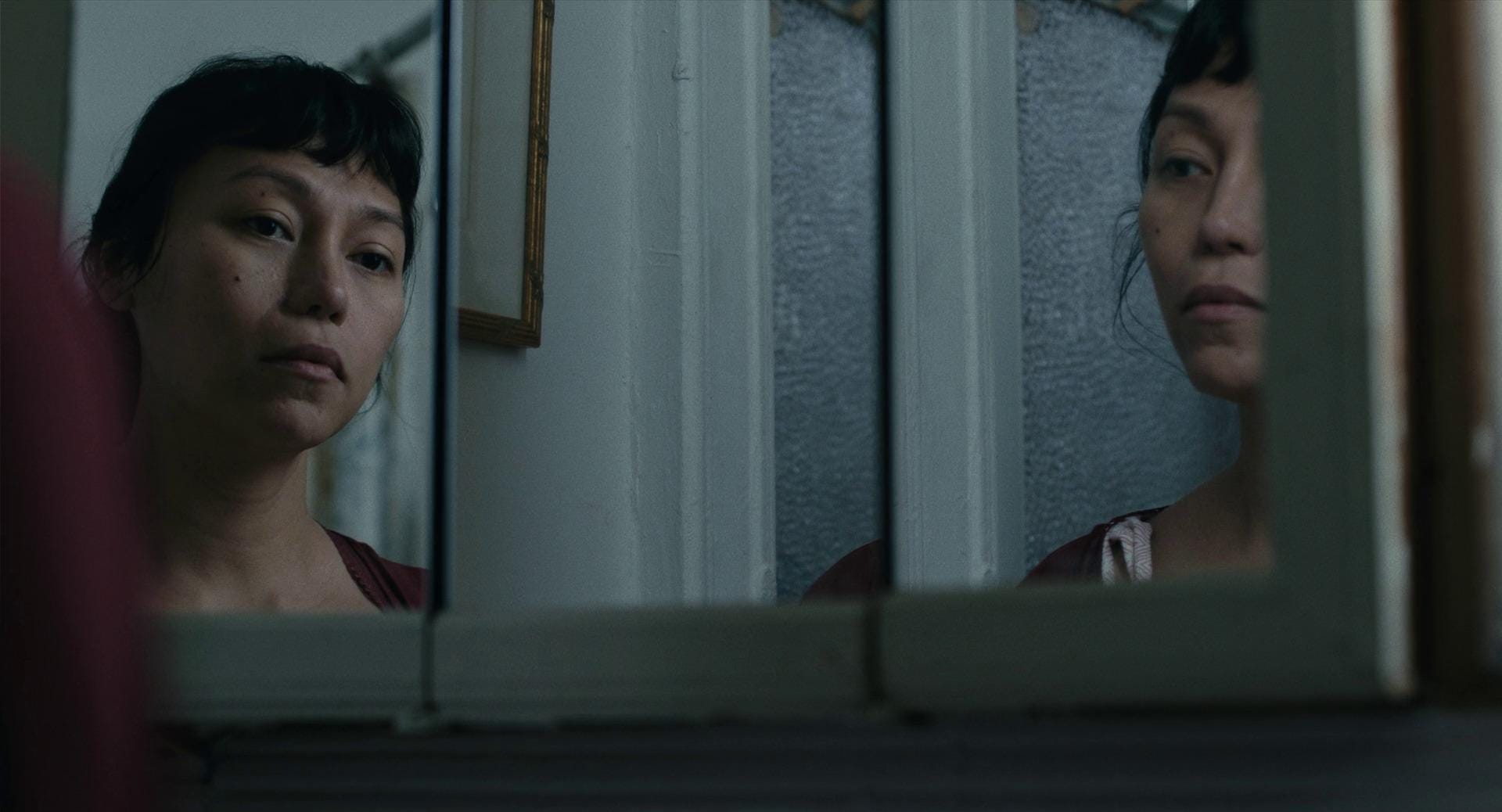
I know I am putting this out late and Pride month is ending (over?), but I watched some fantastic queer films this month and we’re starting with one by a trans woman about a trans woman! Isabel Sandoval is the whole package here - she edited, wrote, produced, directed, and starred in this film from 2019.
This is the story of an undocumented Filipina transwoman as she tries to obtain a green card through marriage. Olivia works as a caretaker for an older woman who seemingly has some form of dementia, and so Olivia ends up in close contact with the woman’s grandson as he moves in and tries to clean up his life.
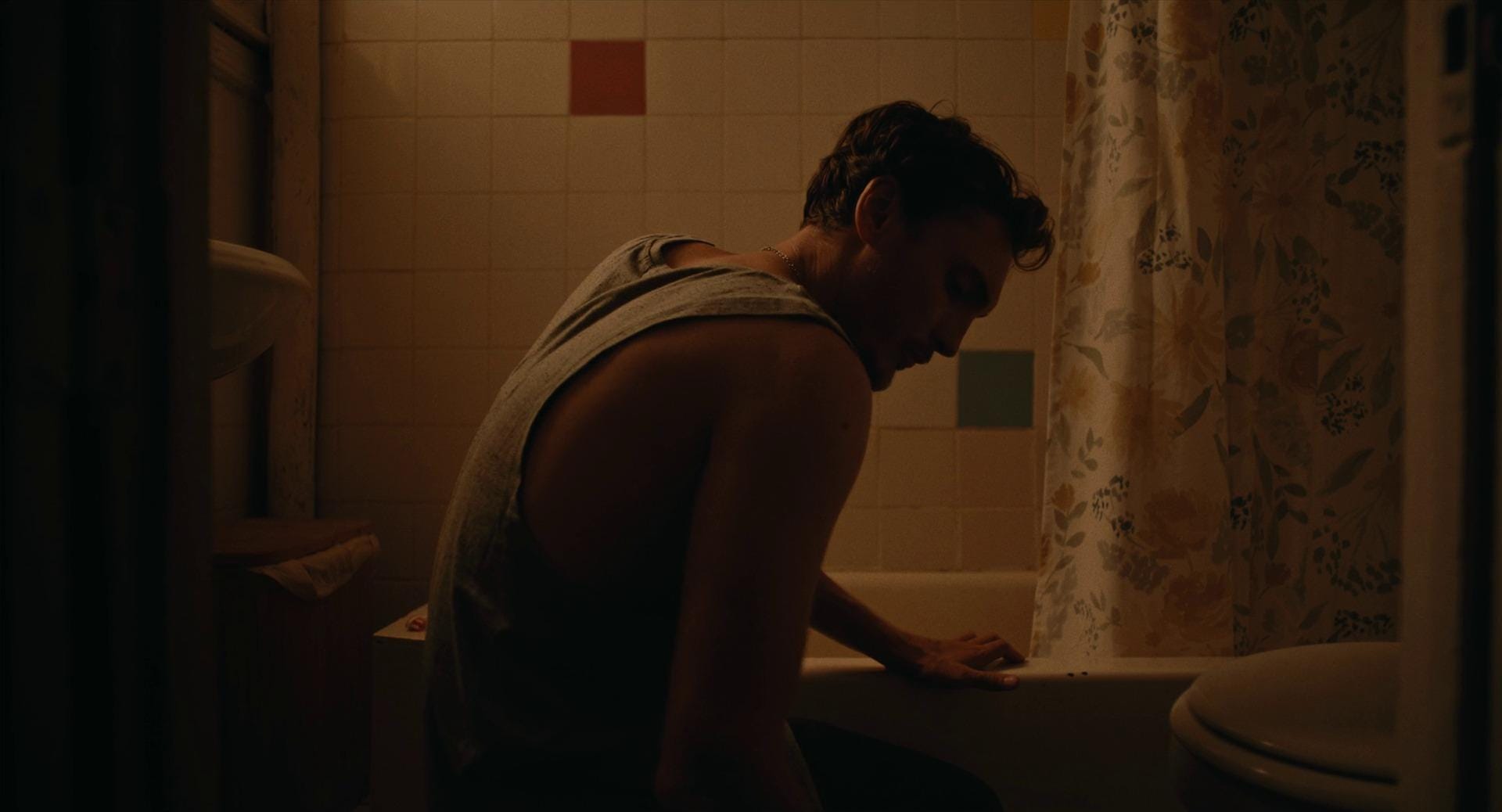
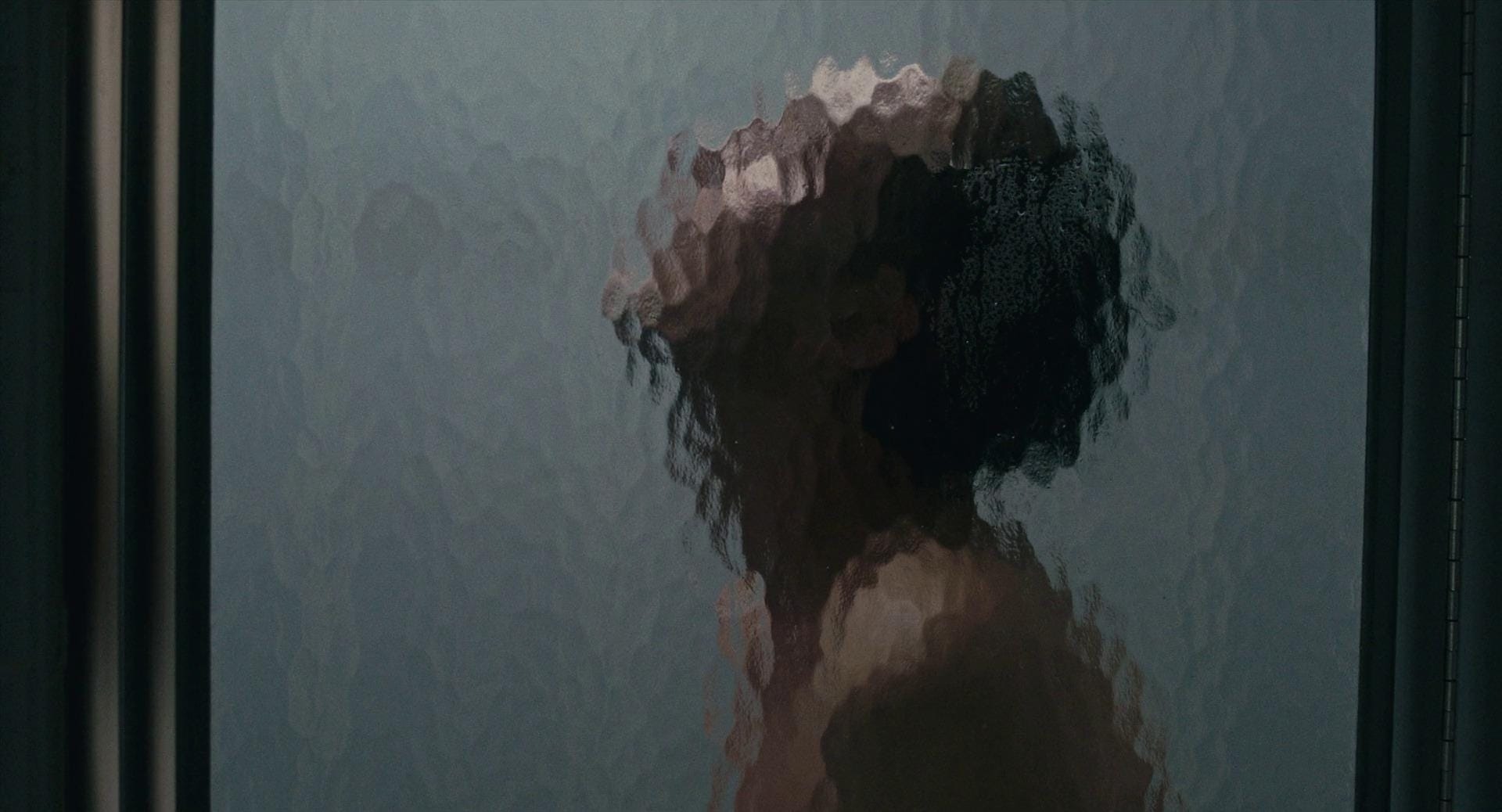
What really struck me about this film, aside from the obvious relevancy, is how gorgeous it is. The cinematography is incredible, but I love how it’s edited too. A lot of long shots to boost the discomfort and tension. A lot of really quiet moments that feel loud.
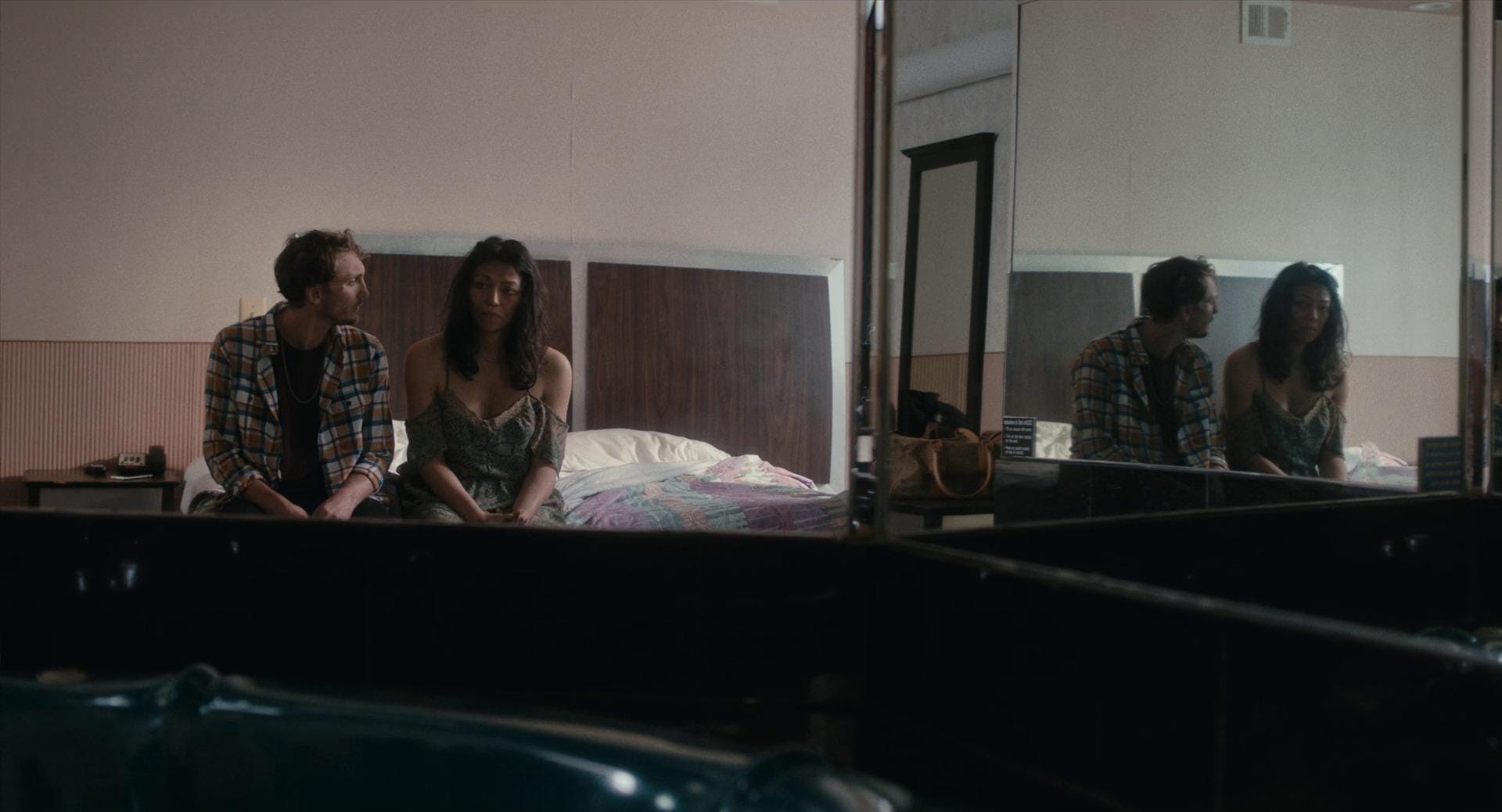
The story itself is bleak, and even though it’s a 2019 film, somehow it’s only more relevant now in 2026. It speaks on both the horrors of immigrating to America and the horrors of being trans, but it also quietly hopes for a brighter future. The message is that no matter how dark things seem, you have to keep going. What other choice is there?
Backrooms (2026)
Dir. Kane Parsons
English (USA)
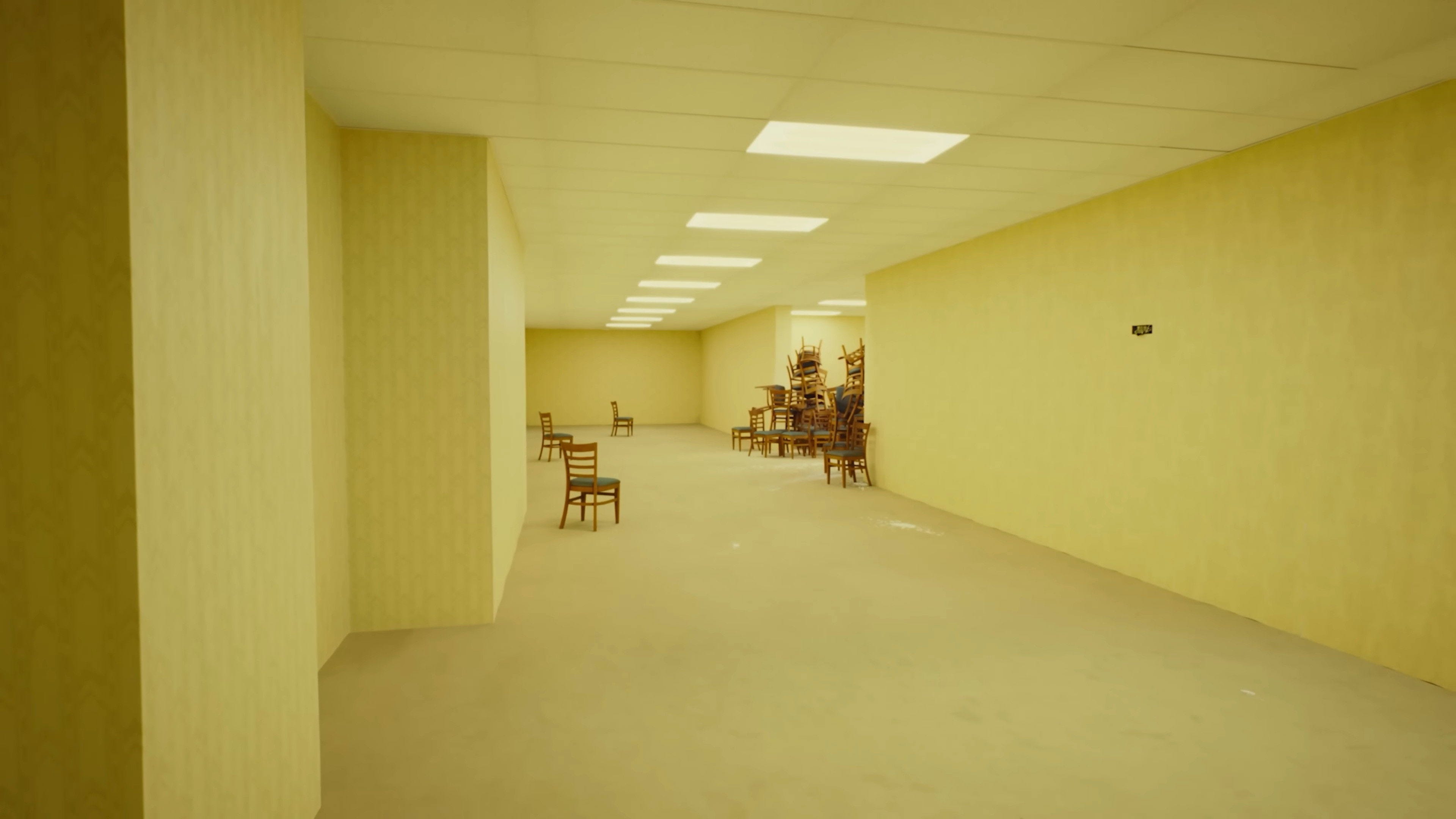
Yes, I did see Backrooms in a theater full of Gen-Z college kids. It was worth it.
I’ve had this on my watchlist since the trailers started dropping, and as someone with zero knowledge or experience with Kane Parsons’ YouTube project, I was so compelled by the concept. It’s based on a creepy photo from Wisconsin in the 2000s, just a boring backroom, and yet the concept of “backrooms” as a horror story is endlessly terrifying.
Parsons nails the atmosphere here. From the very first scene, there’s a sinister tone to this movie, and it only gets worse as our characters dive deeper into the backrooms. The setting does a lot of work here, but it’s the score and sound design that really vamps things up. All things considered, not a lot happens in this film. There are some jumpscares, and yes, some kind of thing haunting the backrooms, but truthfully, it’s not that gorey. It’s a lot more psychological than anything else. (Okay, maybe that’s a lie. It’s mostly psychological.) And yet, it was terrifying. I was watching through my fingers while the guy next to me was muttering “Aw hell no,” under his breath.
And yeah, I did keep questioning why these idiots just kept going in there without any supplies or a plan.

The writing left a lot to be desired, and without Parsons’ direction I think this could easily have flopped as a story, but I was so enthralled with the vibes that I almost don’t care what it was saying.
Inferno by Boards of Canada
This is a special inclusion for one of my close friends (Hi LH 👋🏻). She’s a huge Boards fan, a band I had never even heard of until she brought it up in the last few weeks, but conveniently they have a song in Backrooms so everything connects.
I’ll be honest. I don’t know enough of the lore or backstory to fully explain or express this work, so let’s keep it simple. I think this is the perfect album for showering or driving around after a long day. It’s very atmospheric and trance-like, and almost entirely instrumental. It’s about soaking up the sounds and immersing yourself in a world that isn’t your own. I put it on while I was driving to a shoot a few weeks back, and at the time I was just humoring LH, but I do think it’s the kind of record I’ll come back to when I need to just be.
LH shared this video and it’s kind what got me and our mutual friend LG into Inferno.
Anyway, not sure I have any real favorites (you should just listen in order all the way through), but I find myself clicking on “Into the Magic Land” a lot, and “Age of Capricorn” / “Father and Son” keep ending up getting played too.
Silent Friend (2025)
Dir. Ildikó Enyedi
German, English, Cantonese
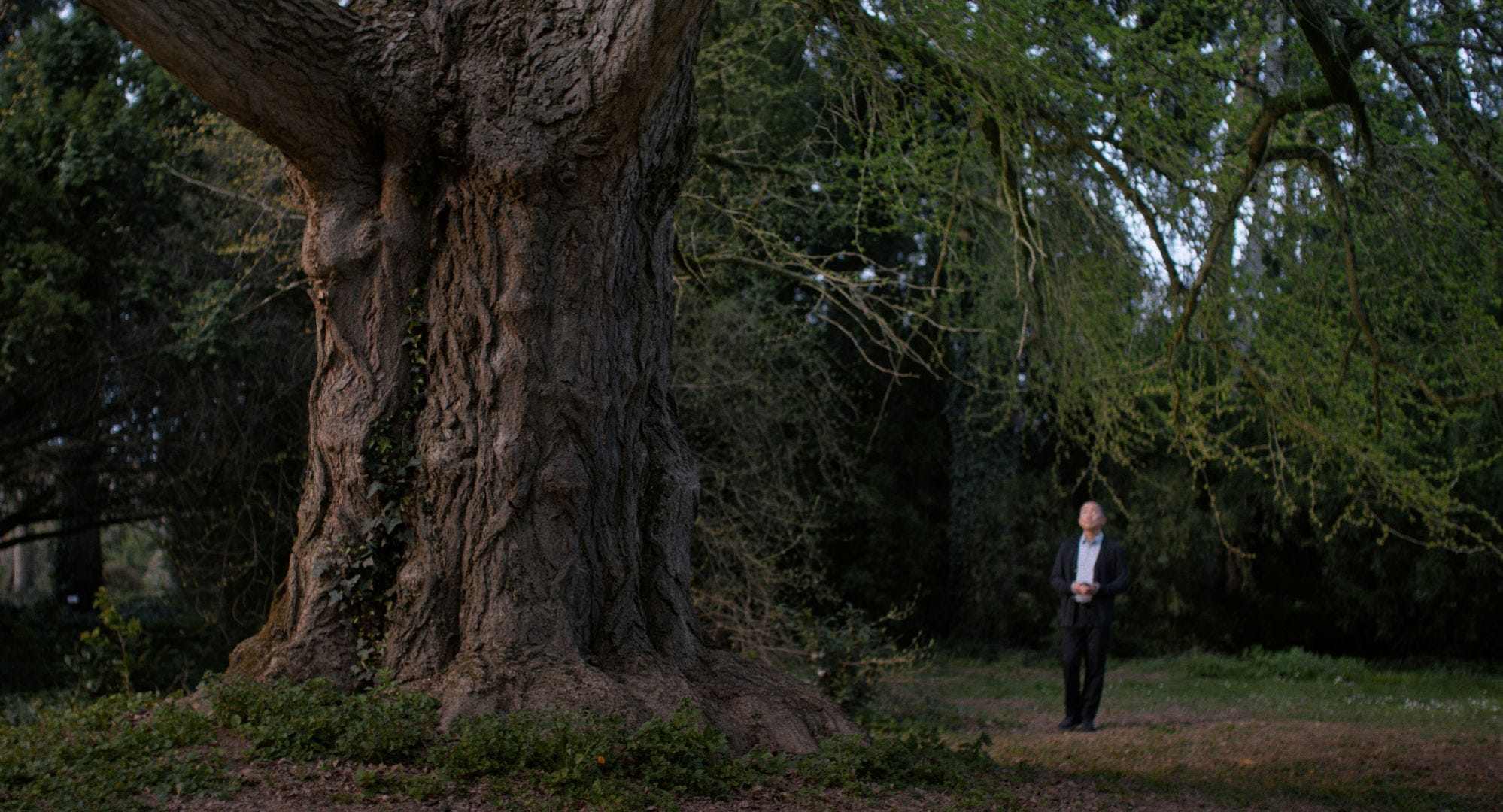
Jules and I went to see a different movie at the Belcourt the other day, and when this trailer played, we decided we had to go see it. It’s all about a tree. And Tony Leung Chiu-wai is in it, so, instant classic.
The film is essentially a triptych: three separate stories in three separate times combined into one film connected by place (and the tree). It’s shot in three formats, 35mm film, 16mm film, and digital, and it takes place in 1908, 1972, and 2020 in Marburg, Germany at a university. The same university, several decades apart. Each story revolves around botany and a single ginkgo tree on campus. It asks the question: are plants conscious?
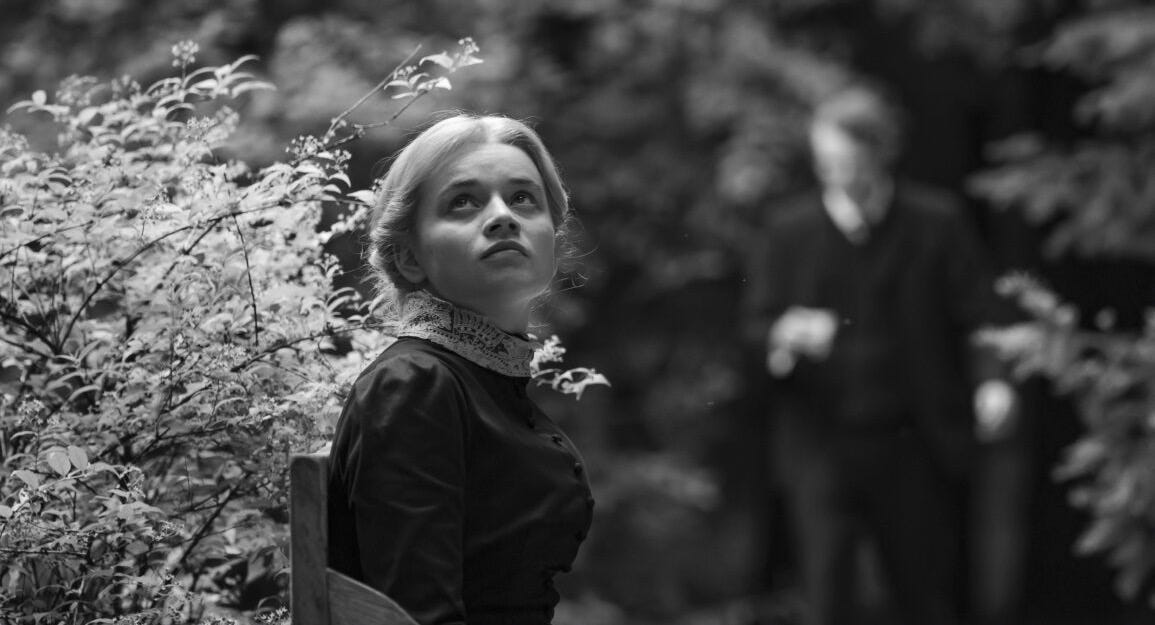
This film actually had a similar problem as Backrooms. Incredible design, acting, production, and yet…the writing left a bit to be desired. I wanted more from the story, but as a piece of artwork, it’s gorgeous. I loved the exploration, I loved the parallels, I loved the visuals. But man, it felt like the overall message was kind of jumbled.
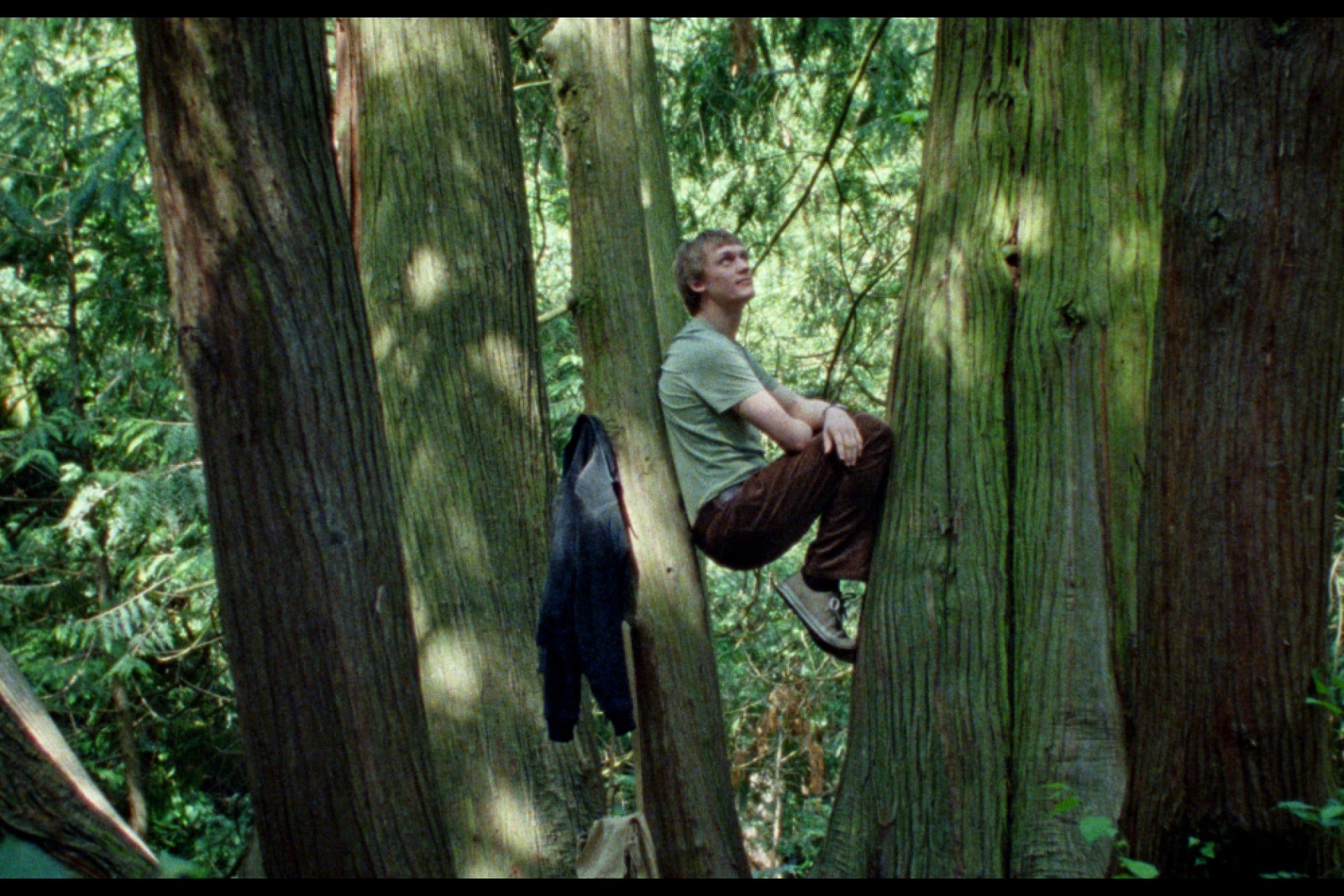
My favorite section was probably the 1972 story, all about a female student who’s trying to track her plant’s “feelings” and cognizance, and she ends up leaving the plant in a care of a male student who starts to bond with the plant himself. This is the section that’s shot on 16mm, and I spent the whole time in awe of the colors and feel of it. More movies on film in the 2020s!!!!
Joan Baez
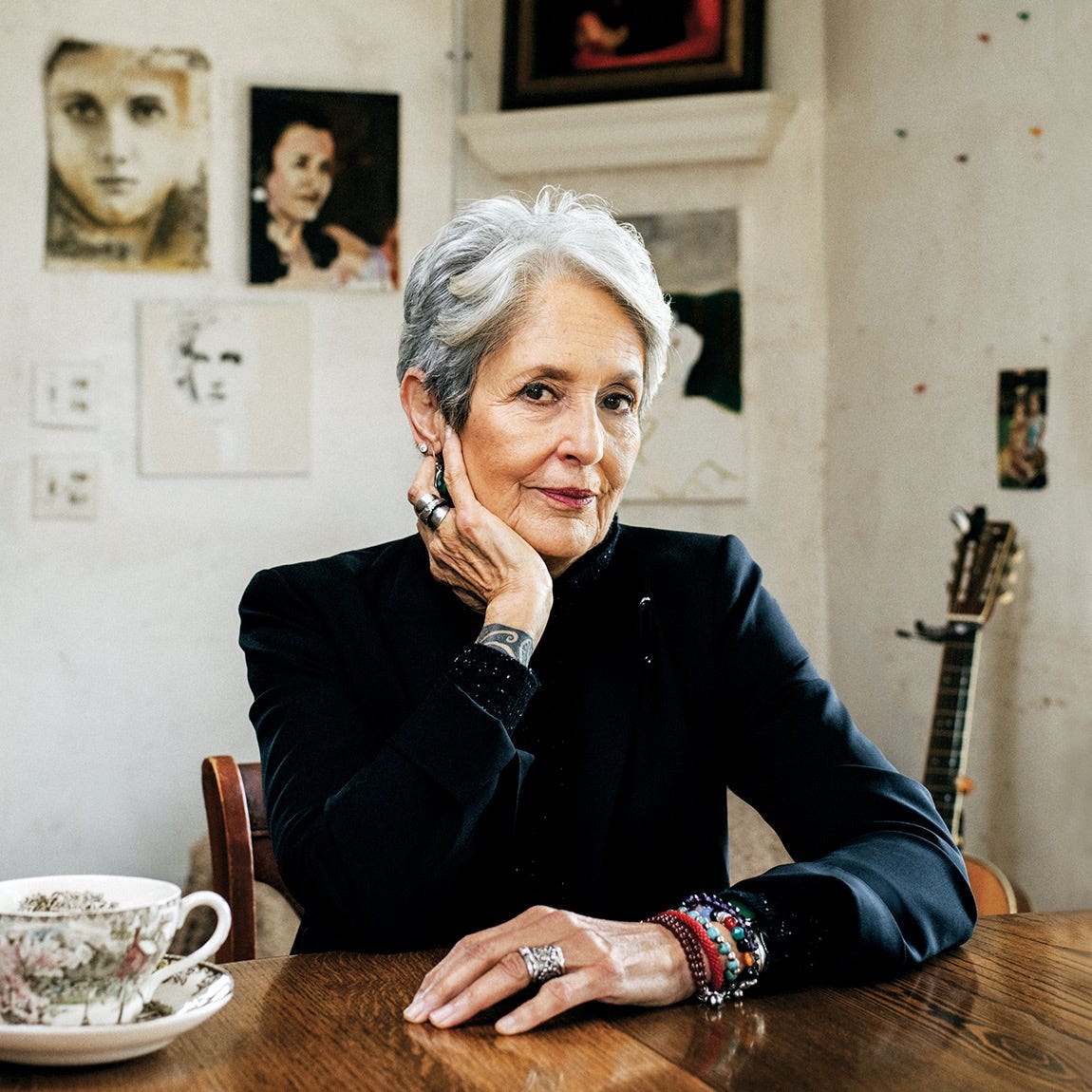
Once again, let’s all thank the power of Tumblr dot com for forcing me to engage with a literal classic. Someone reblogged this video of Joan covering Dylan, and I don’t even know why I clicked on it when I don’t like Bob Dylan and I always confuse Joan Baez with Joan Didion (they’re both authors right?!), but here we are. Now I’m in my Joan Baez era I guess.
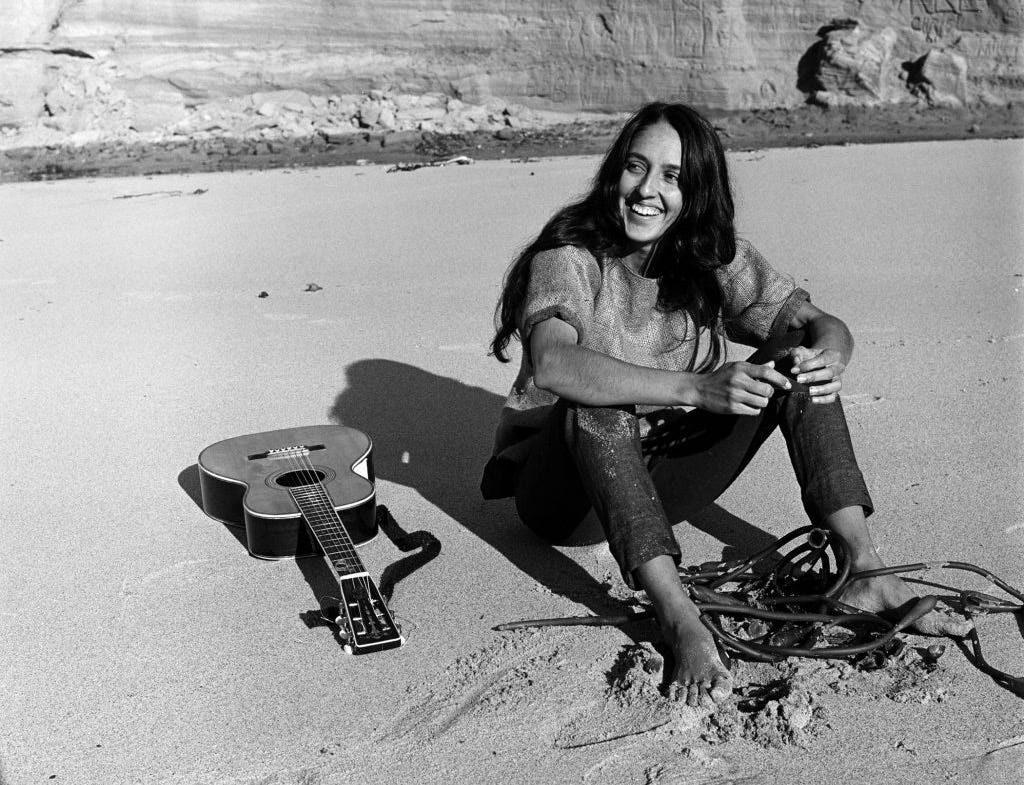
I am really terrible at engaging with media that is older than me. Anything before the 1980s feels inaccessible to my tiny brain, so anytime I fall in love with vintage art, I’m really proud of myself. And growing up in a family that prioritized artists like Iron Maiden and Barry Manilow, it’s no wonder I never listened to Joan Baez. My parents aren’t really Dylan people, and neither of them was big into 60s music, so I truthfully did not (and still do not) know anything about Joan or Bob Dylan or most of their peers. My guitar teacher in high school did a lot to introduce me to Neil Young and Joni Mitchell, but that’s about as close as I ever got.
All that said, wow. Like yeah, she’s a classic for a reason isn’t she? But what I like about her most is that she’s such an activist too. I’d love to read a biography or a memoir from her because I can just tell she has a lot of wisdom and personality to share. (Anybody have recommendations?)
The songs I’ve latched onto right now are her big hits, “Diamonds and Rust” and her Dylan cover (above), but I already really liked “Sagt Mir Wo Die Blumen Sind” to keep with the German theme from Silent Friend.
Tell me your favorite Joan songs!!
All That Jazz (1979)
Dir. Bob Fosse
English (USA)
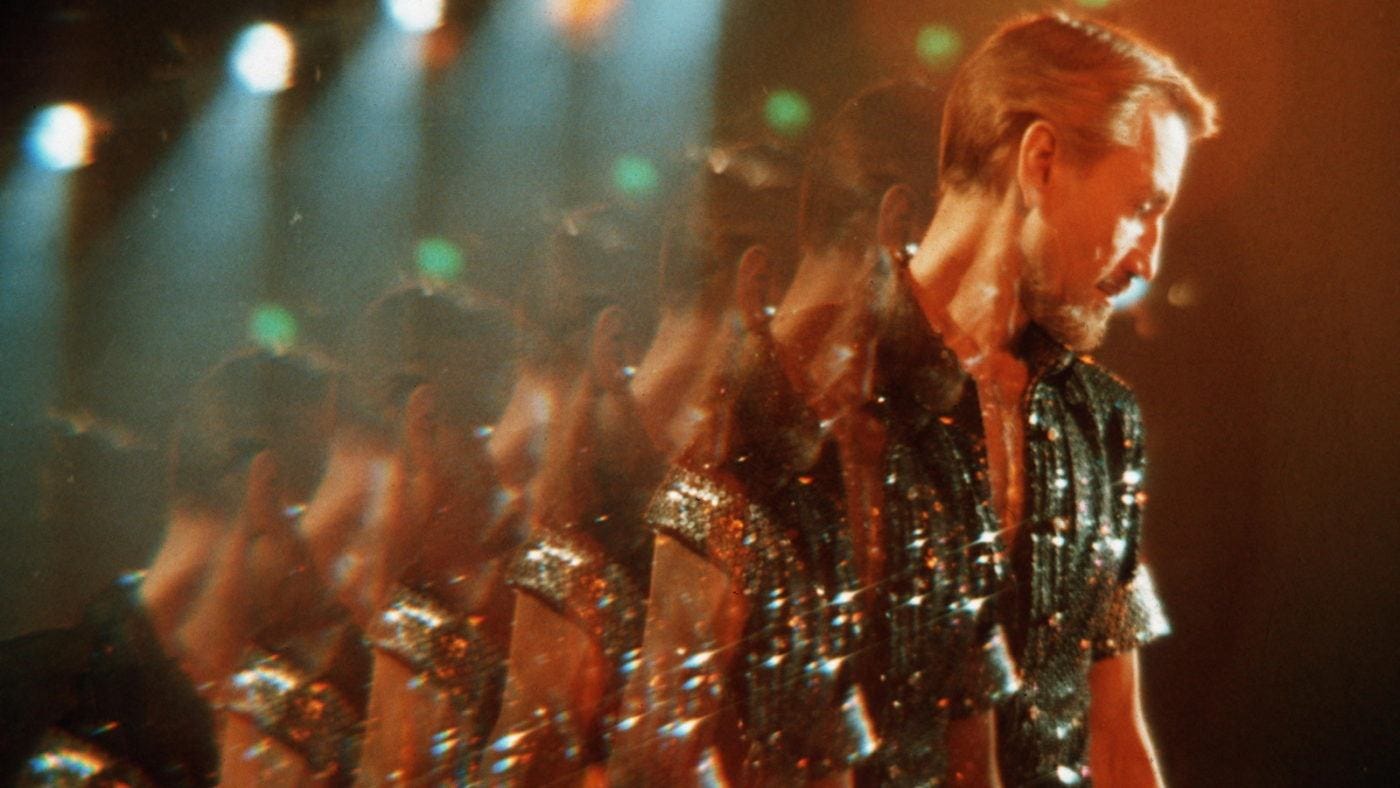
Technically I watched this because of, you guessed it, Tumblr dot com, but I pursued it because it’s one of the highest rated movies on Letterboxd. It has an astronomically high rating for some reason, so I turned it on one night while I was editing, and I was so…enthralled by it that I left it on. That said, it’s a weird movie guys. They don’t make ‘em like this anymore.
The film is a kind of autofiction story about Bob Fosse’s life while he was making Chicago. It features Jaws’ Roy Scheider as the lead (who is essentially Bob Fosse), and it’s a weird meta musical that follows Joe Gideon as he embarks on creating a musical while editing a feature film and winds up in the hospital with a heart attack. The movie itself is split between the real and the surreal, including a weird limbo in Joe’s subconscious where he has flashbacks and shares musings about his life with the angel of death.
All in all, it’s a magnificent exploration of 1970s Broadway and Hollywood, and the production/costume design is wonderful. The “Airotica” dance number is scandalous (read: NSFW) but it’s absolutely stunning to witness. Although mostly what I liked about this movie is that as a pre-digital-era film, it just feels remarkably real. The people don’t feel as made-up (literally and figuratively) as they would today. The women especially look realer in this than they do in something like The Devil Wears Prada 2.
The Watermelon Woman (1996)
Dir. Cheryl Dunye
English (USA)
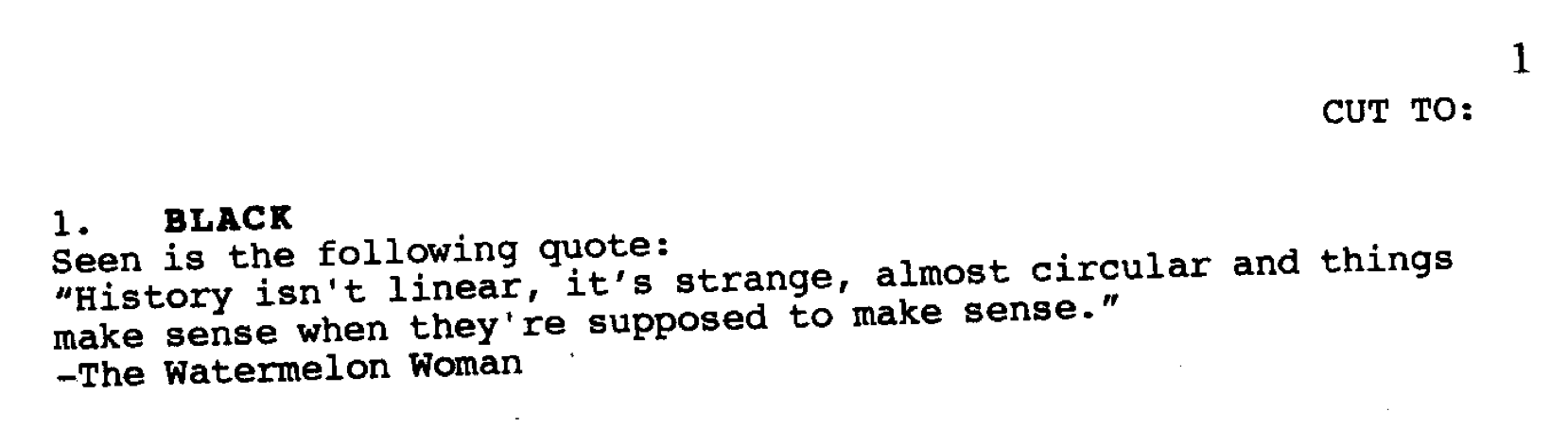
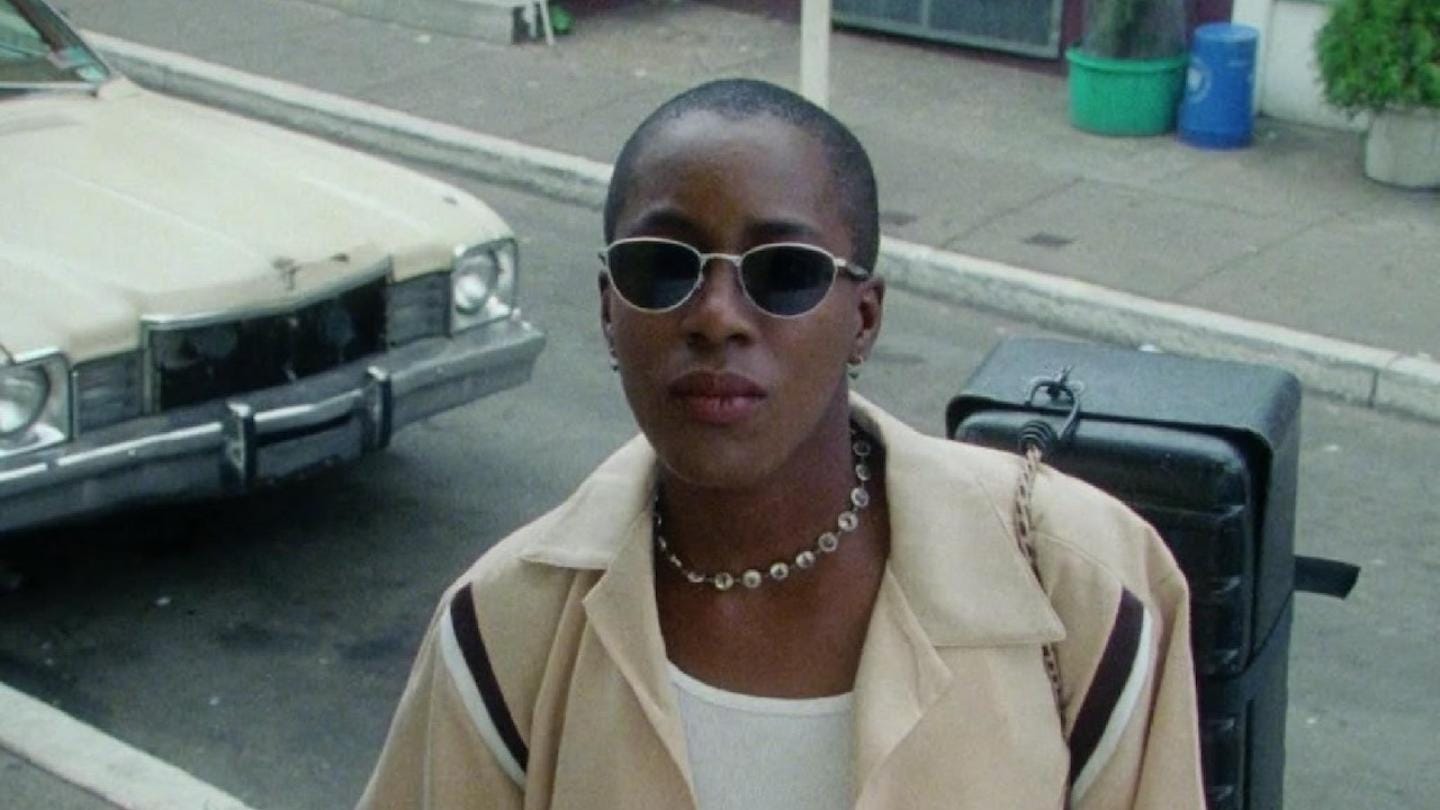
This is a queer classic that’s been on my list for a while, and oh my god. Instant favorite. It’s a 90s “documentary” about a black lesbian who’s trying to make her first film and decides to focus on a mysterious black actress from the early days of Hollywood. It has all the charm and aesthetics of the 90s mixed with humor that only black lesbians can achieve.
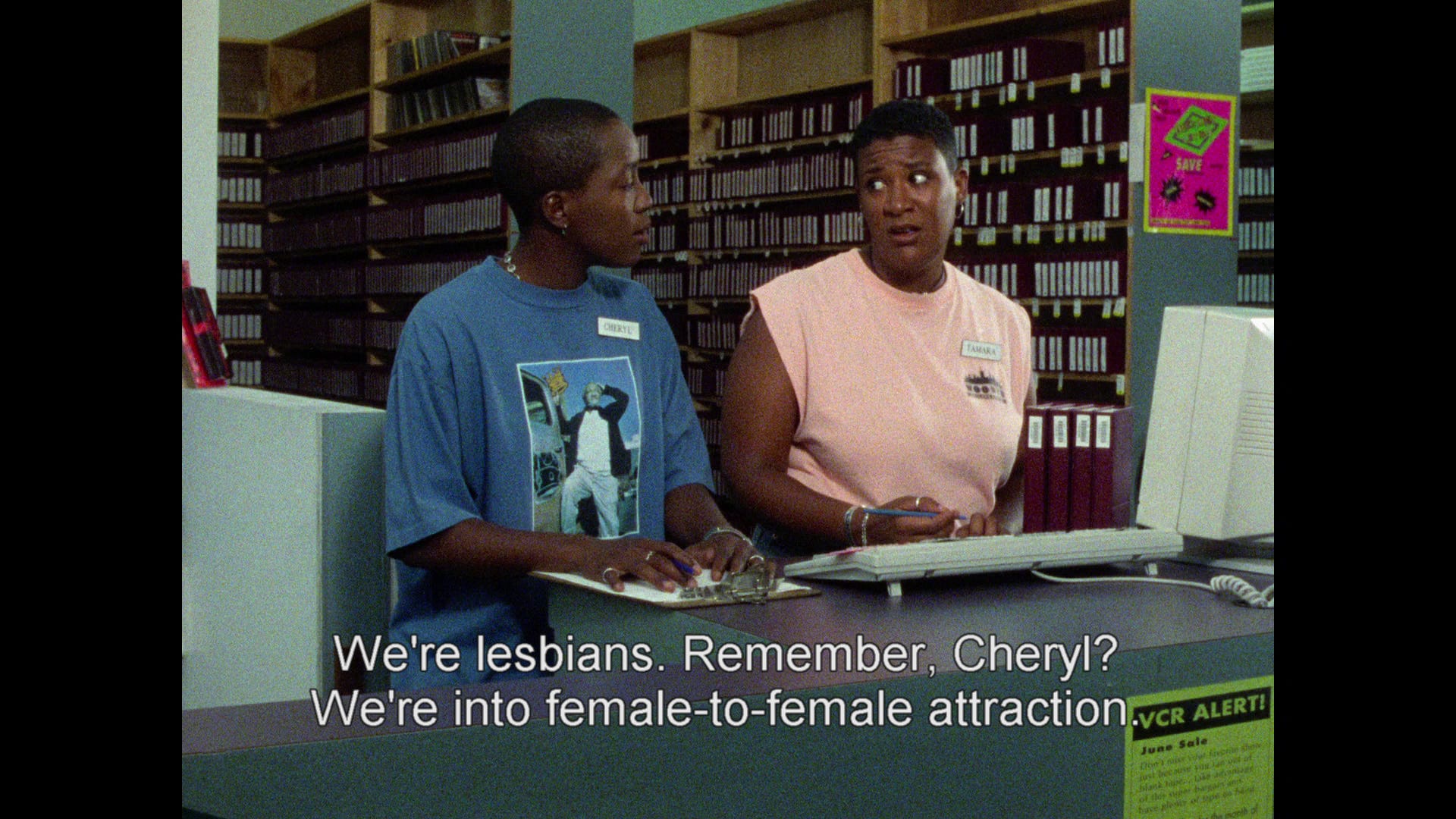
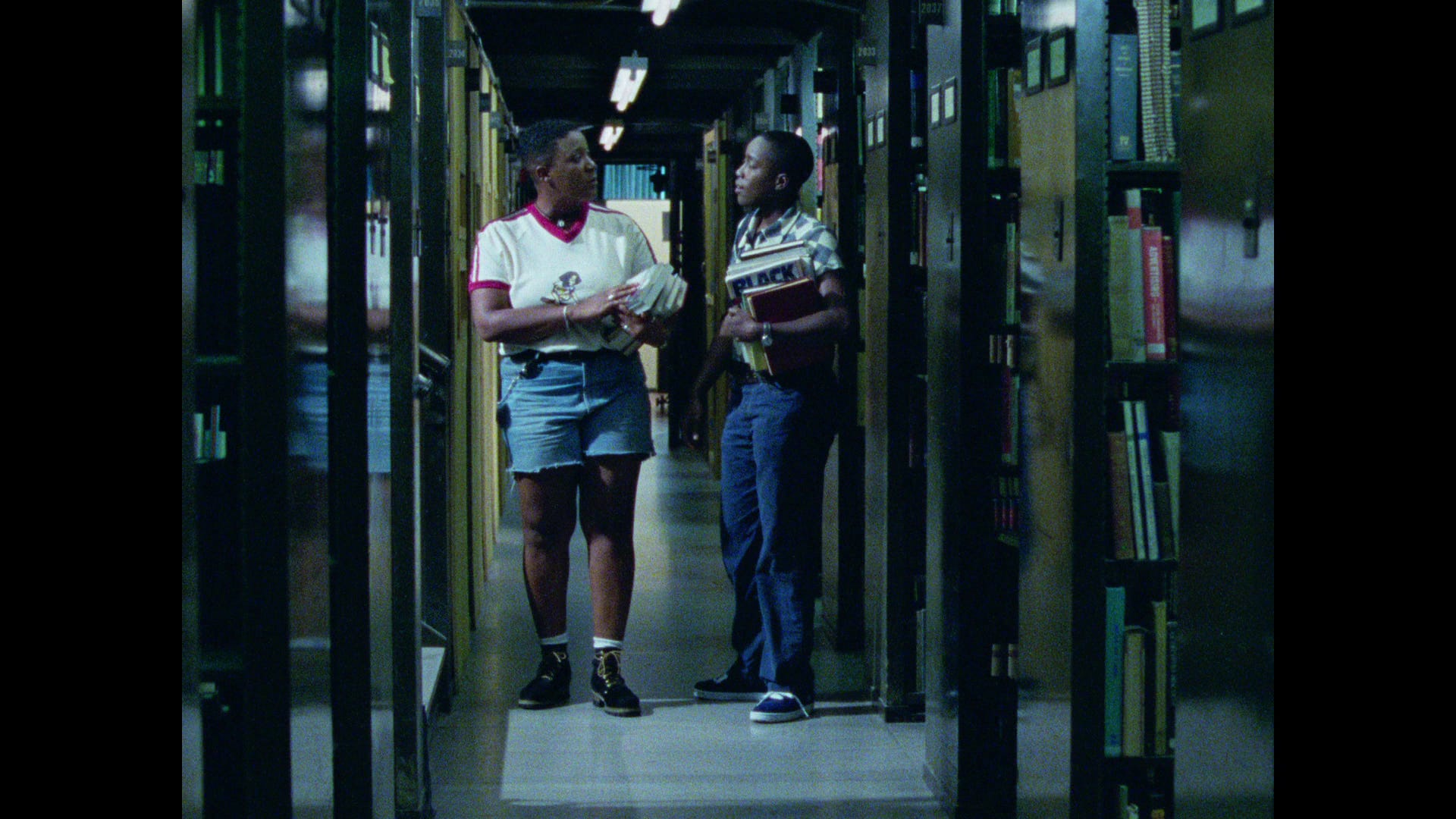
Part of what I love about this movie is that it really tackles a lot in a short runtime. It’s about lesbianism, a woman trying to find a partner, but it’s also about Hollywood and movies and how race plays into the history of cinema. It’s also about female friendship in the queer community. And yet it’s also a coming of age story. It almost feels like an old sitcom. And yet, it’s gorgeously shot and features a lot of VHS footage.
Joyland (2022)
Dir. Saim Sadiq
Urdu, Punjabi
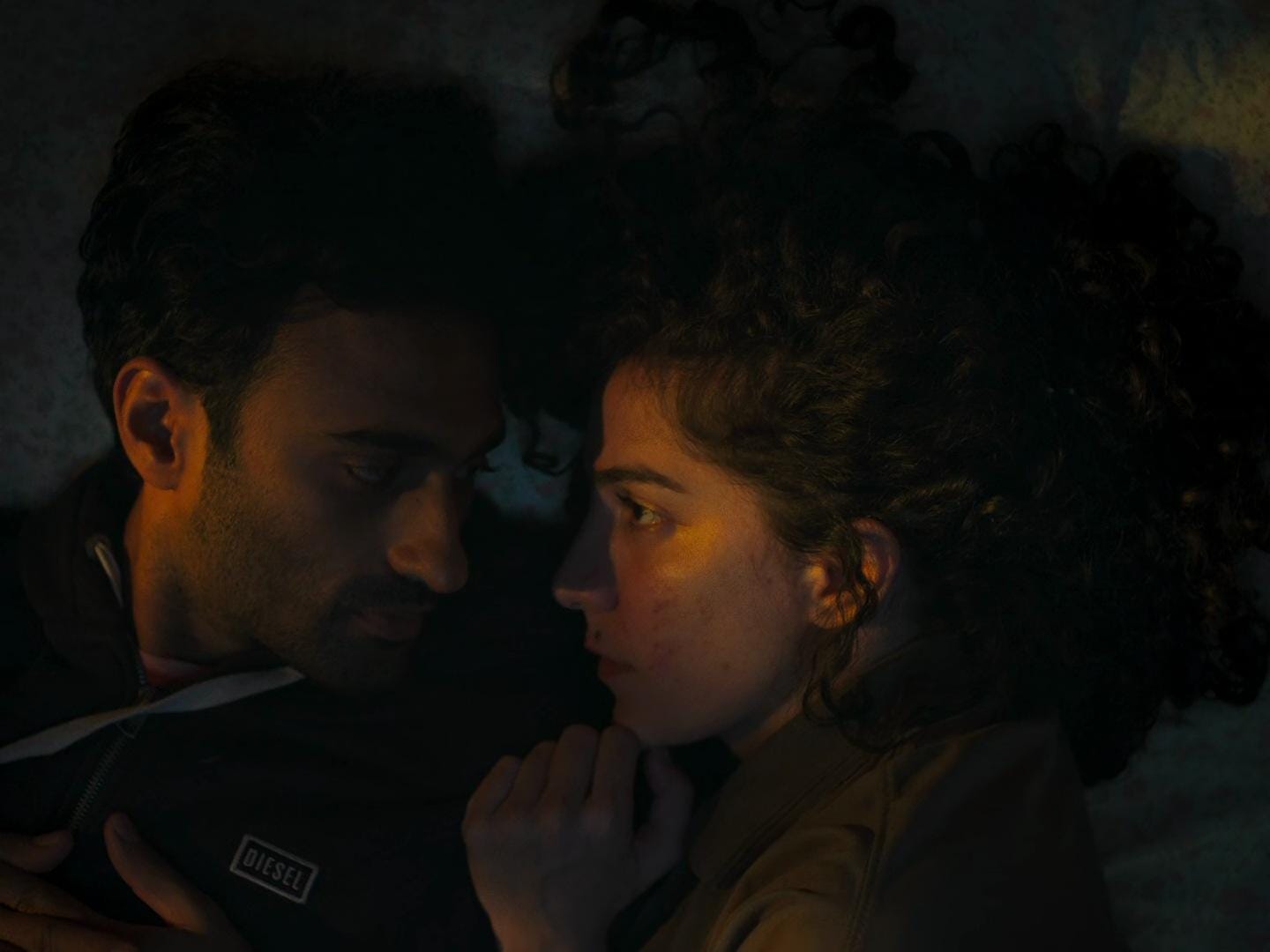
I’ve become an unofficial Kanopy (app) spokesperson recently and this is a Kanopy pick. For those who haven’t heard, Kanopy is essentially the library movie app. It’s free to access with your library card (if you have Libby, just head over there and steal your card number), and you get 30 free credits a month to use as you please. It’s really fun because you don’t get unlimited streaming and so you become much more selective about what you watch. More than that, the selection on Kanopy is just overall more interesting than other streaming services. It’s a lot more unique - lots of indie flicks and international films and docs - and I just find myself so much happier over there than when I go to Julia’s and we flip through Netflix.
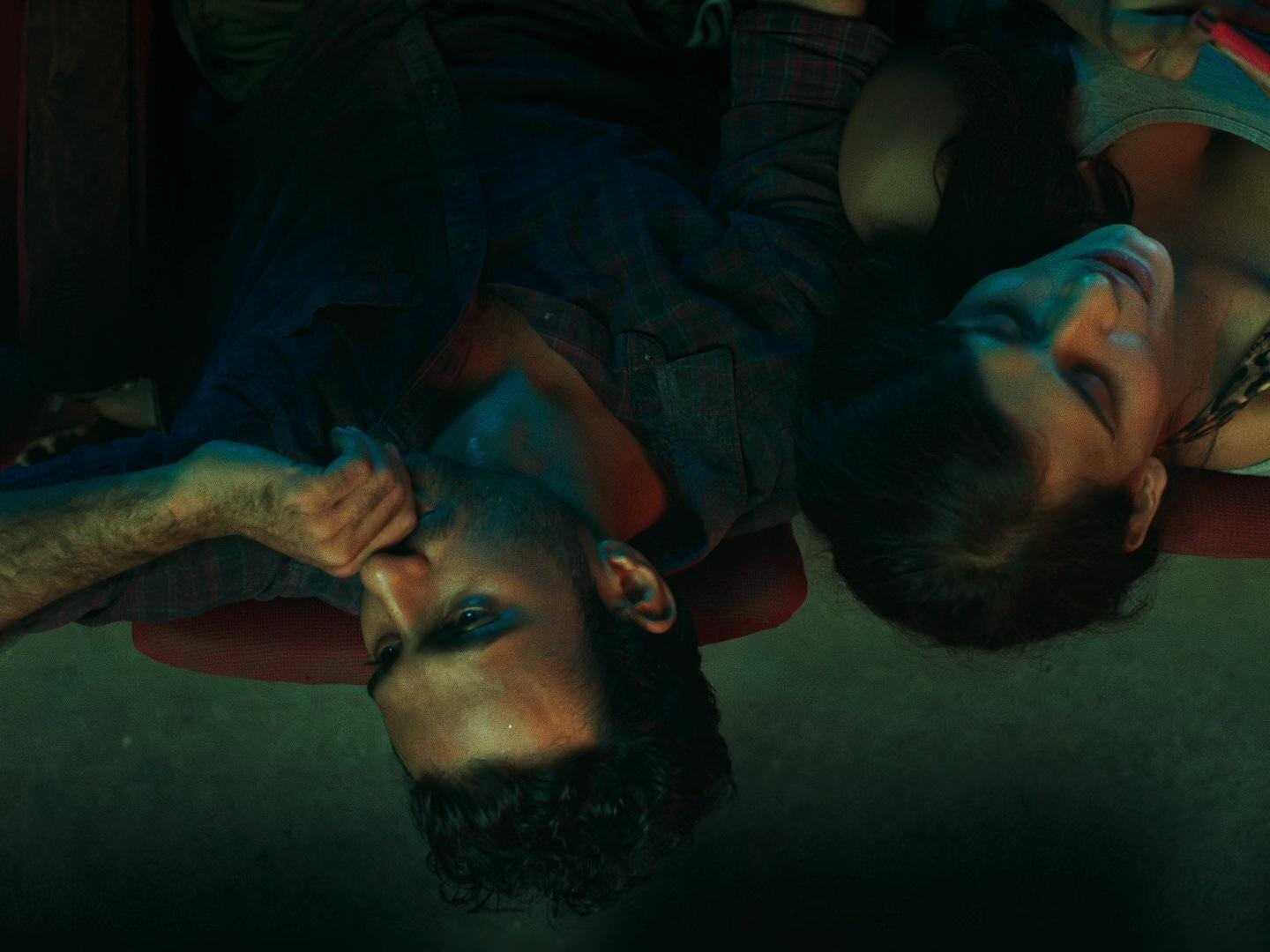
Anyway, Joyland. It’s a Pakistani film all about one family’s secrets. It focuses on a man and his wife as he finally gets a job working for an erotic dance company. The dance company features a transwoman as she tries to get her big break and survive in a transphobic environment, and she and the man develop a relationship. Of course, the film itself is about much more than that. It’s about Pakistani culture, specifically how women move through that world, and it’s a very dark movie in the end. It’s haunted me ever since I watched it.
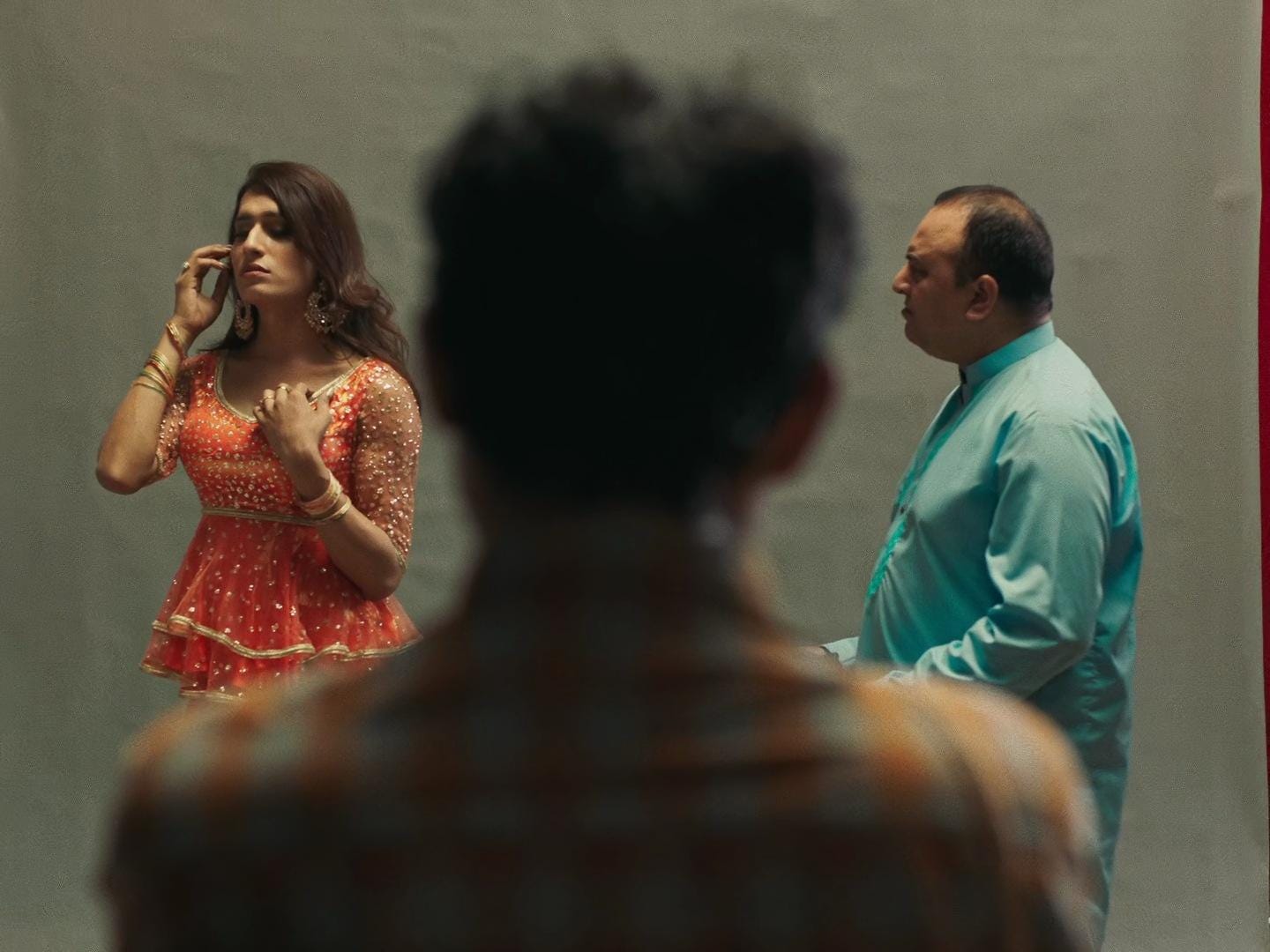
But my god, it’s gorgeous. So many great shots and moments in here.
So much to talk about in this movie, and I think more people should watch it.
No God but Us by Bobuq Sayed
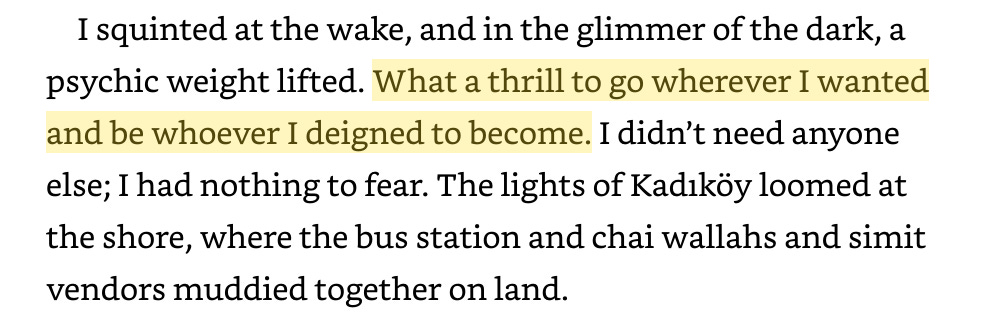
In conjunction with Joyland, though ultimately very different, Bobuq Sayed’s debut about two queer Afghan men in Turkey focuses on queerness and transness in unique ways. This has been on my list for months now, and I was so excited when my library acquired a copy. It feels reminiscent of Khaled Hosseini, and not only because of Hosseini’s heritage, and yet it’s so boldly queer in ways that transcend typical homosexuality.
The story follows two men in two separate perspectives. One grew up in America, and his forced outing takes him to Turkey to briefly live with his aunt and cousins. The other grew up in Afghanistan and his forced outing takes him to Turkey as a solo refugee. The men meet as a result of a refugee community, and develop a relationship with both each other and numerous other queer people in the area. It’s a story about race and sexuality and, as noted by the promo materials, borders.

While I ultimately did want a bit more than I got, I instantly fell in love with the voice and characters in this book. As a debut it’s perfectly respectable, and I hope we get to see more from this author.
Let the Record Show by Sarah Schulman
“To make something better, we have to face it at its worst. And only a small group of people on this earth are willing to look at pain in its real face, access it accurately, listen, and then criticize themselves with rigor, find a productive way to cooperate and rise to the occasion to solve a problem. People who are desperate are much more effective than people who have time to waste.”
For the third Pride month in a row, I picked up a chonky historical non-fiction book about the AIDS crisis. In 2024, I picked up It Was Vulgar and It Was Beautiful as my first introduction to AIDS, and last year I read How to Survive a Plague, so I figured I should make this a tradition. I’ve had this work on my TBR for a long time, mainly because of the astronomically high rating on Goodreads. It’s long - 27 hours on audio and over 600 pages in physical - and yet, people love it.
Listening to this on audio was as helpful as it was harmful. While I appreciate listening to historical non-fic on audio to help speed things along, this book was not designed for audio listening. The structure was so confusing because I could never tell who or what was being quoted, not to mention the narrator kept mispronouncing things, and the editing left weird gaps between words and sentences.
That said, I do respect and appreciate that this exists. It’s loosely a history of the organization ACT UP New York, a powerhouse of queer and straight activists who ultimately changed the AIDS crisis as well as the pharmaceutical world in the 1980s and 1990s. The author and her associates interviewed a number of people from the organization and put all the interview transcripts online while also condensing them into this digestible format. She focused more heavily on women and BIPOC in the organization rather than her predecessors (David France for example) who strictly spoke about the white men in ACT UP.
I thought this book added a lot of important context to the AIDS narrative, especially around incarcerated women, pregnant people, drug users, and Black and Latinx PWAs. There’s so much history surrounding the AIDS crisis, but nobody ever talks about needle exchange or the Haitian community’s struggles or women who are completely ignored by the medical community, and Sarah did her best to highlight those issues. I did learn a lot from this, and I’d love to revisit a physical edition down the line to really understand more.
I’ve become very passionate about AIDS history since I first read It Was Vulgar in 2024, and I wish more people would spend time learning about the crisis because it has influenced modern medicine, modern activism, and modern politics in ways that are astounding. We would be a far worse place if the people of ACT UP hadn’t fought so hard to stay alive.
Blue (1993)
Dir. Derek Jarman
English (UK)
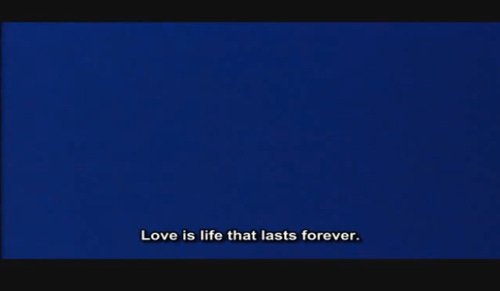
To keep with the theme, I finally watched Derek Jarman’s final feature, Blue. Jarman was incredibly influential in queer cinema and gay rights activism, and this work is so arresting because it’s just audio. Set to a blue screen for the full runtime, Jarman uses sound design and audio to paint a picture of AIDS.
It’s the kind of film that I will need to revisit and sit with more to fully digest, and I know I wasn’t paying nearly enough attention as I should have, but even on the first watch, I was moved. It’s so impressive because of how it uses sound, how it forces the viewer to listen and pay attention in ways that they don’t have to do during a typical film. It’s different than a podcast or audio drama because there is that blue screen watching you as you watch it. Blue is a color that is present throughout the film, a kind of character in itself, and it’s a wonderfully haunting metaphor too.
Maurice (1987)
Dir. James Ivory
English (UK)
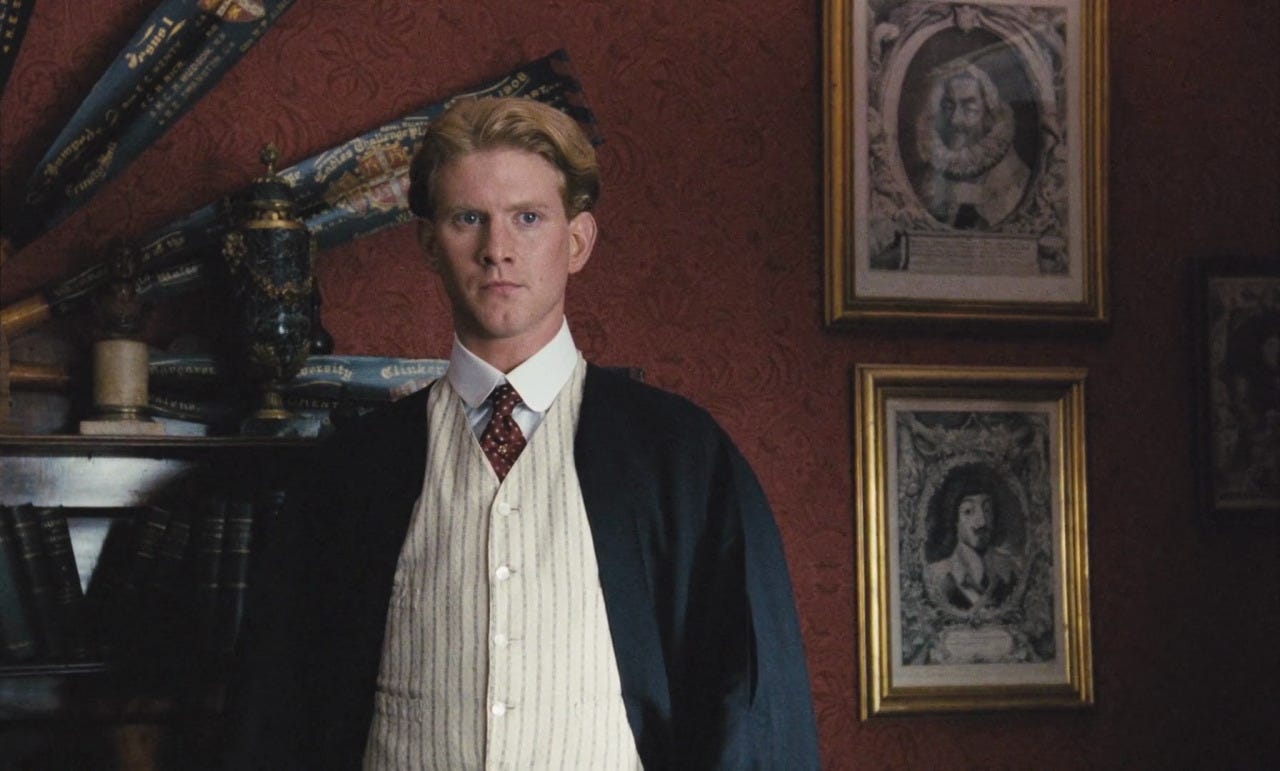
Believe it or not, I’ve been trying to watch this film for YEARS. This is a movie I’ve seen floating around Tumblr for a long time, and even though I knew it was a little fruity, I didn’t realize it was like…Gay as hell. It is a movie about being queer, not a weird dark academia pretending to queerbait you. E.M. Forster who wrote Maurice was gay, and thus this movie is gay and I don’t know, but I guess I just didn’t realize it was ACTUALLY GAY? You see so much random aesthetic gifs on Tumblr, sometimes it’s hard to know what’s real and what’s a pipe dream. Anyway.
This movie follows our lead character Maurice (pronounced Morr-is for those who are not British) as he grows up from a young school boy into a man. He falls into a relationship with a fellow student but the two decide they cannot be together as it’s dangerous to be queer in the early 1900s. The whole thing is really gorgeous, with some incredible acting and marvelous writing. It’s also really long for some reason… by the end of it though I was convinced I need to pick up the novel, so maybe that’s in my future someday. All I know about E.M. Forster is that I was forced to read A Passage to India in high school and it was the only book I refused to finish in my academic career. So. Who knows if I’ll ever get to Maurice.
Dancing on the Wall by MUNA
How have I not talked about the new MUNA record? It took me a few weeks to finally sit down and listen to it, and then it took me a little while to realize that I do love almost every song on here. It’s the perfect record for a hot, sweaty summer, and I think that’s probably a good thing since we’re in this heatwave.
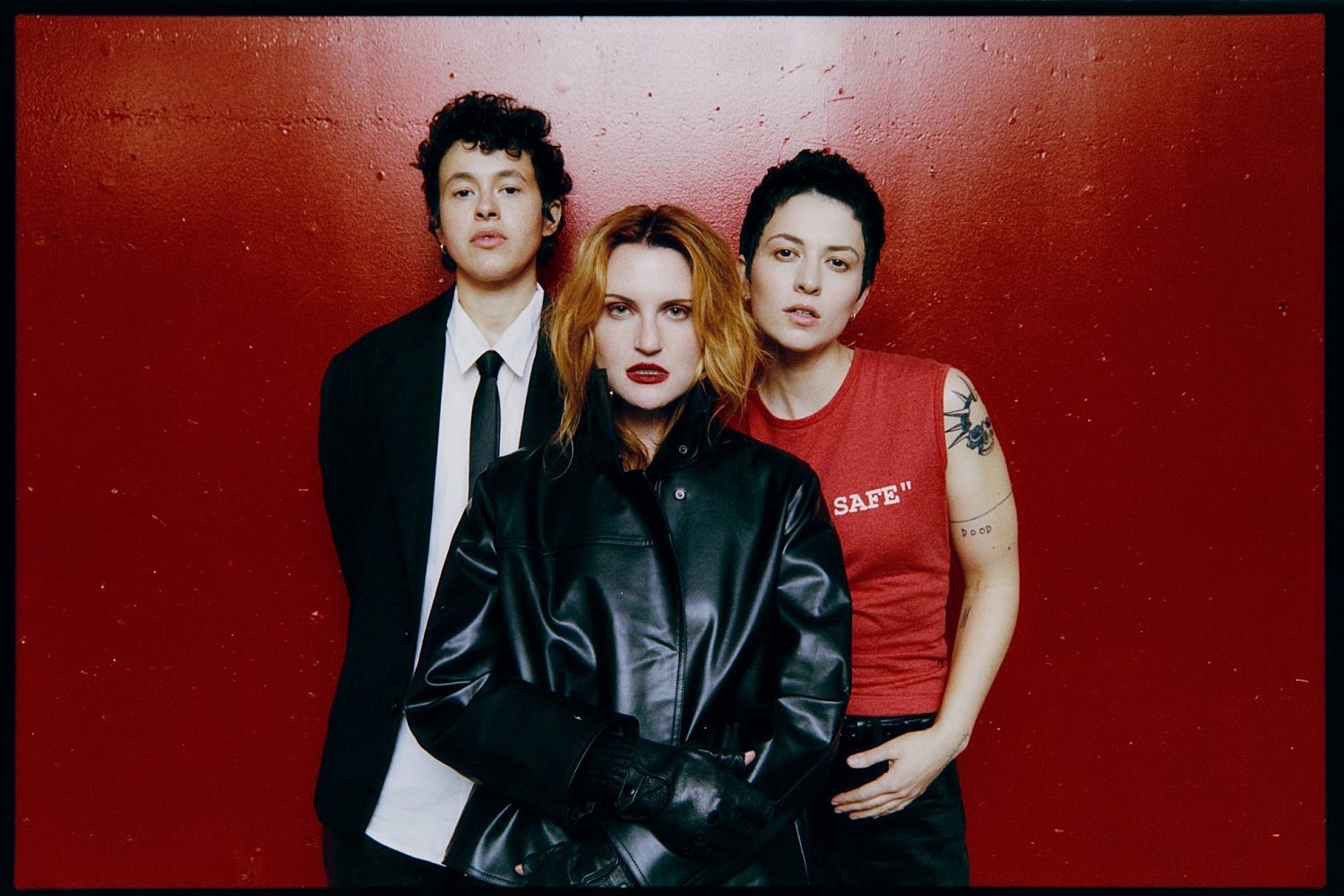
MUNA is one of my favorite bands because Katie just writes some of the best lyrics and the sickest beats. Their stuff is always painfully relatable, and incredibly catchy, and the production they did on here is the exact kind of sound I love from them. It’s 80s-tinged and loud and punchy and I’m obsessed.
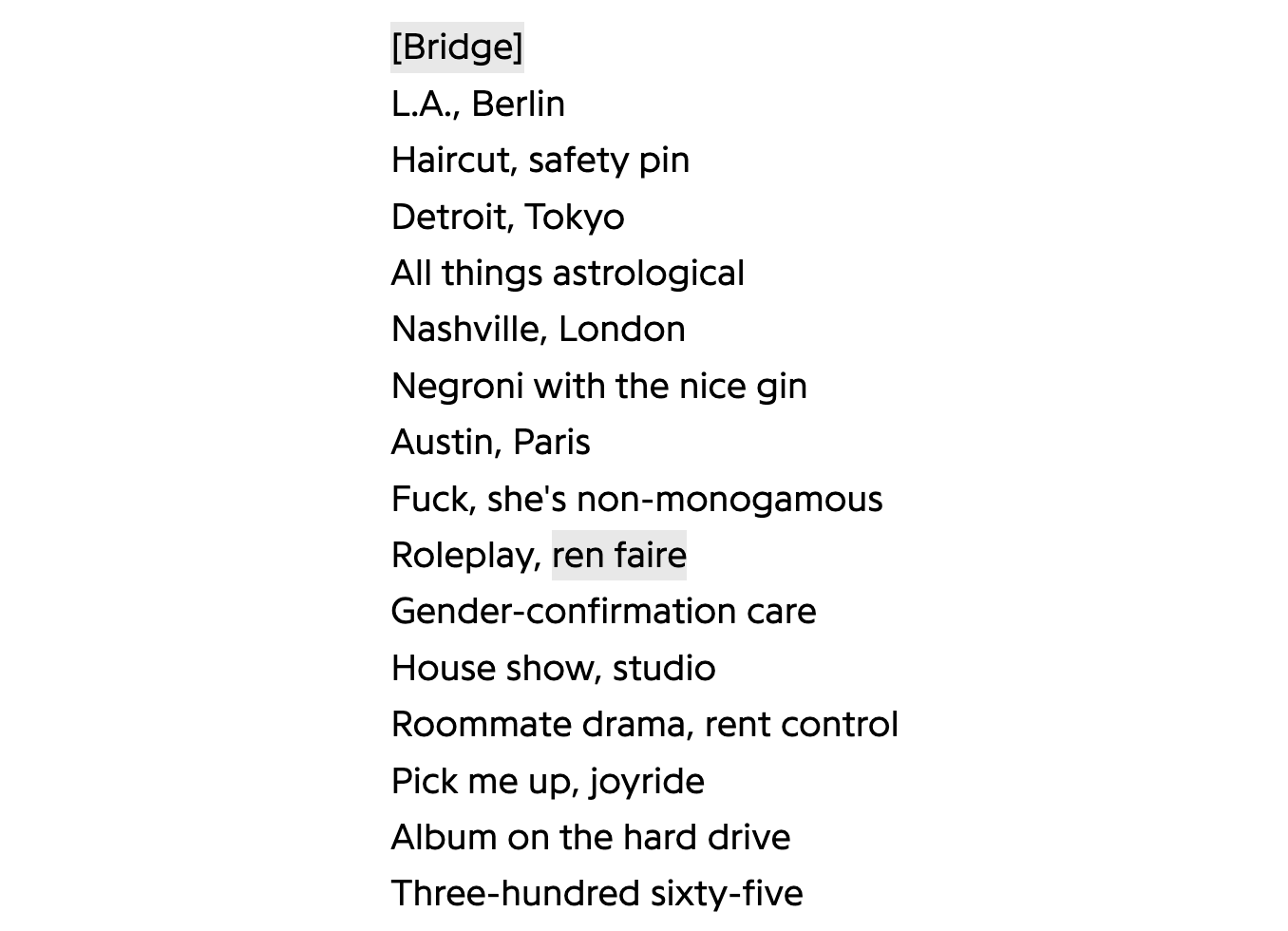
Favorites right now are “Eastside Girls,” “Big Stick,” “Mary Jane,” and “Girl’s Girl.” The live videos I’ve seen for Mary Jane has me itching to get tickets to their Nashville show, but I’m bravely waiting to see if prices go down the week of because I am not paying that much for a MUNA show at the Pinnacle sorry.
I Love Boosters (2026)
Dir. Boots Riley
English (USA)
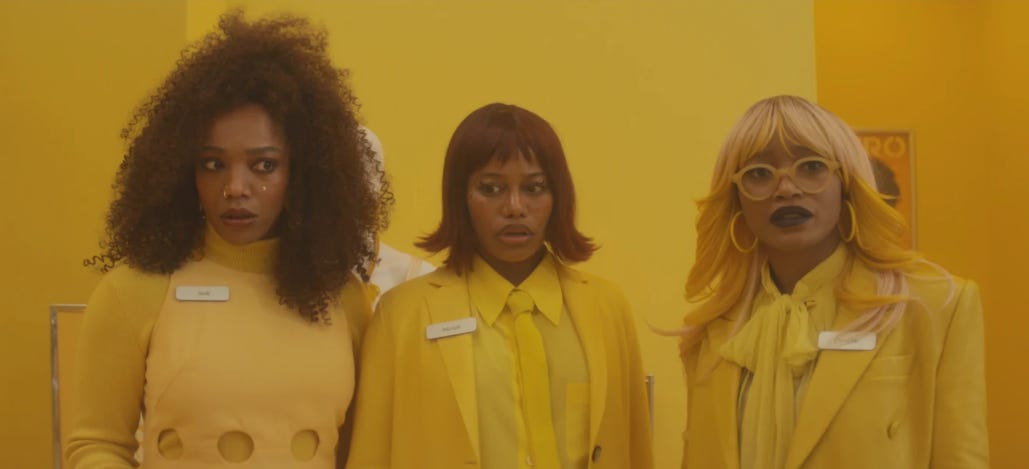
I didn’t talk about Sorry to Bother You (2018) when I watched it a few weeks ago, but I’m talking about it now as I introduce Boosters. Boots Riley is force of nature in Hollywood, and yet he only has two official feature films. Sorry to Bother You came out years ago, it features LaKeith Stanfield and Tessa Thompson, you probably saw the promo for it, and it’s a very strange movie. I finally watched it as I was interested in seeing Boosters and I figured I should educate myself before engaging with Riley’s new film. I’m so glad I did because these films are in conversation with each other.
Boosters is a loud and proud film about a group of Black women who steal designer clothes and resell them at affordable prices in order to both serve their community and help themselves. It’s a movie about capitalism and racism and exploitation among other things. It has the same real-surrealism that Boots Riley introduced in Sorry to Bother You, and yet I think this film is much more successful in its execution. Obviously Keke Palmer was a knockout, but the whole cast absolutely slayed this. It’s not what you’d expect (unless you’ve seen Sorry to Bother You…IYKYK) and that’s what made the whole film so engaging and fun. It’s also, like, so realistic for a film that includes [redacted].
I caught this at the final showing at the Belcourt at 8:20pm on a Tuesday night and I had zero regrets. Big contender for film of the year.
SAWAYAMA by Rina Sawayama
For unknown reasons, I’ve been on a 2020 music kick recently. I spent some time with Charli’s how i’m feeling now, but I’ve fallen into the SAWAYAMA hole for the past few weeks. I played some of this album a lot in 2020 — “Bad Friend” was one of my top played songs of the year — but a lot of the album eluded me at that time. Well NOT ANYMORE! I cannot stop listening to the whole thing on repeat. It’s just such a smart pop album. Rina has so many influences in here, and the production is just incredible. I miss her. I wish she’d come back to music.
Favorites this time around include: “Akasaka Sad,” “Love Me 4 Me,” “STFU!” and “Snakeskin.”
The Marbled Swarm by Dennis Cooper
🚨 This book is disturbing and I don’t recommend it but I do have to talk about it. Sorry.
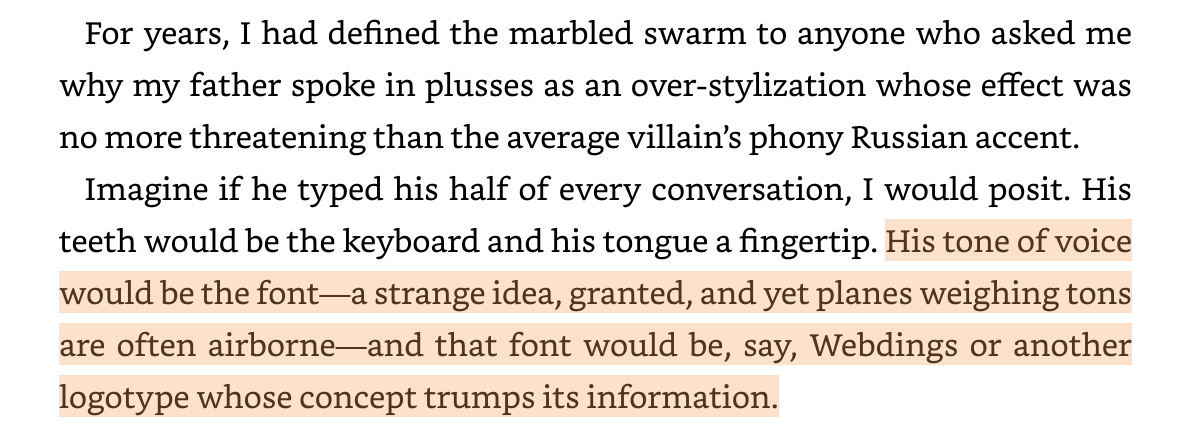
I probably should not tell you that I read this because if you did read it, you’d think I’m insane, but that would mean you read this so it’s kind of a devil’s sacrament situation isn’t it?
Tumblr takes me to the most deranged places, and I guess I should stop being surprised at this point, but this one was a real doozy. Dennis Cooper is known for writing a lot of depraved queer sexual content, but this book has the added bonus of being told in a pretentious, indecipherable voice.
Basically this book reads like if Lemony Snicket was writing Holden Caufield into Henry Henry but with even more incest and rape plus some cannibalism and also it had some influence from the Johnny Truant parts of House of Leaves as well as NBC’s Hannibal. To those who have enough context to understand what I’m saying, I’m sure your jaw is on the floor. Yeah. It’s insane. You don’t even know the half of it.
The thing is, I’ve been watching a lot of true crime lately (Maternal Instinct, The Cheshire Murders, the doc series about Lyric and Elizabeth who were abducted in Iowa in 2012…) and I guess I was seeking out more upsetting content. I don’t know. Sometimes you need to read about all the evil in the world.
But the other reason I’m so…compelled by this book is that it’s meta. I don’t really know what it’s saying, and I do fear I will end up rereading it someday just to decipher it, but it’s saying something. This is the kind of weird, fucked up book that I cannot in good faith tell anybody to read but I also wish I had just one person I could spiral about it with because damn…what a messed up book.
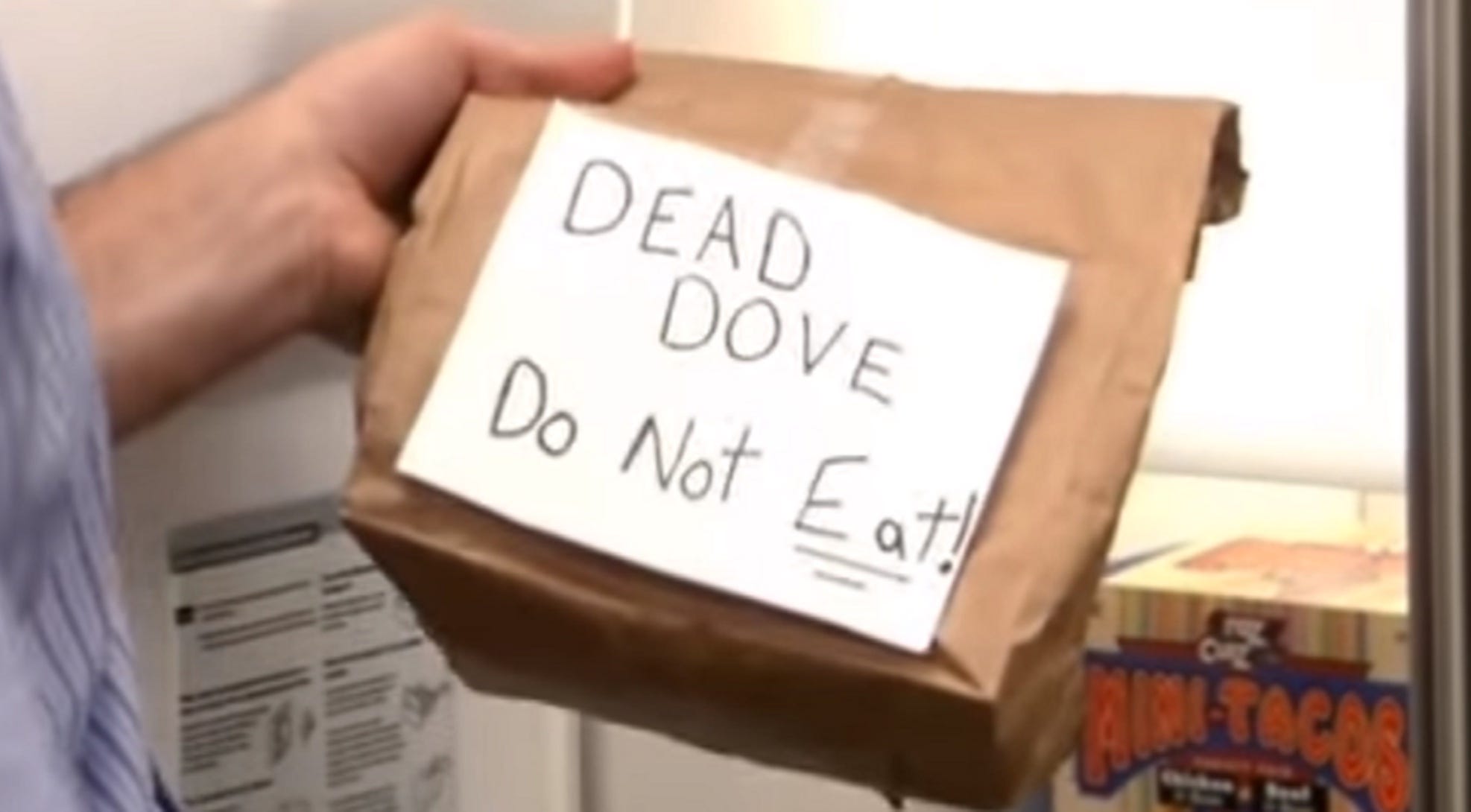
Seriously though, don’t read this. Dead dove, don’t eat, etc.
funny that you mention the confusion between two joans because joan didion actually wrote an essay about joan baez and her pursuits in education; it's how i came to love joan baez's music. and i watched the watermelon woman too this year for the first time, it was brilliant! i love how easy the dialogue felt, like they were just recording real conversations and not acting out lines.